
Specializing in Personalized, Precision Medicine and Cognitive Health
Restoring health, reviving hope.
A personalized approach to uncover the root causes of your health concerns and symptoms — so you can feel better, think clearer and live a fuller life.

Led by Dr. Nate Bergman, D.O.
Board-Certified Internal Medicine Physician


Understanding cognitive health
The earlier you act, the more we can do.
Cognitive decline tends to progress in stages, like cancer. The earlier the intervention, ideally at the first signs of impairment, the more options there may be.
Select a stage to see what it means.
- Typical aging
- Progressive decline
- Staying independent longer (conceptual)
Awareness · Before symptoms
Know your baseline. Understand your risks.
Long before anything feels different, cognitive function is shaped by everyday health: sleep, blood sugar, heart health, hearing, activity, stress and family history among them.
Opportunities now
- Establish a cognitive baseline to compare against later
- Review personal and family risk factors
- Build habits that support long-term brain health
Early changes · Key moment
Small changes. Meaningful signals.
Early changes can have many causes, including but not limited to nutrition imbalances, metabolic issues, sleep disorders, mental health factors, sensory issues like hearing loss or vision loss, or other chronic health issues. Mild cognitive impairment (MCI) notes early but noticeable changes in the brain. People still manage daily life on their own. Acting at the first sign or as MCI is diagnosed is often where the most impact can be made. A thorough evaluation can help find what's contributing and what to do next.
Changes people often notice
- Brain fog or less mental clarity
- Trouble concentrating or staying on task
- Searching for words more often
- Memory lapses that feel new
Noticing changes doesn't mean dementia is ahead. It means it's a good time to look closer.
About the dotted line
It's conceptual, not a prediction. For some people, early care may improve symptoms, address reversible causes, or help slow progression, which can mean staying independent longer. What's possible depends on the underlying cause and treatment.
Later changes · Daily life affected
Every stage deserves support.
When changes progress into dementia, independence is gradually affected. The further it progresses, positive impacts may become more difficult.
Stages of dementia
- Mild dementia Struggles with complex daily tasks, for example: managing finances, driving, schedules, shopping, following a recipe, medications.
- Moderate to severe dementia Individuals need help with basic self-care, such as bathing, dressing, toileting or eating. In the severe stage, awareness of surroundings is greatly reduced and full-time care is needed.
Intervention can help with
- Maintaining function, daily tasks and quality of life
- Addressing other symptoms or side effects contributing to decline
- Supporting and educating families and caregivers
About the dotted line
It's conceptual, not a prediction. Treatment can't guarantee prevention, stabilization or reversal, and responses vary from person to person.
For educational purposes only. This chart is illustrative and not based on measured data; it does not describe any individual's course. Stages are described by daily function, as is common in clinical practice. Cognitive changes have many possible causes, and the stages shown are not a fixed sequence. Early evaluation may identify treatable contributors, but treatment does not guarantee prevention, stabilization or reversal of cognitive decline, and results vary.
Sources (4)
- Sperling RA, et al. Toward defining the preclinical stages of Alzheimer's disease: recommendations from the National Institute on Aging–Alzheimer's Association workgroups. Alzheimer's & Dementia. 2011;7(3):280–292.
- Livingston G, et al. Dementia prevention, intervention, and care: 2024 report of the Lancet standing Commission. The Lancet. 2024.
- Lawton MP, Brody EM. Assessment of older people: self-maintaining and instrumental activities of daily living. The Gerontologist. 1969;9(3):179–186.
- Katz S, et al. Studies of illness in the aged. The index of ADL: a standardized measure of biological and psychosocial function. JAMA. 1963;185(12):914–919.
Don't wait for answers.
See how Kemper approaches cognitive health through personalized evaluation and care.
Why Kemper
Not the standard of care.
The usual path for memory concerns often means a referral, a diagnosis, perhaps a prescription — and a follow-up a year later. Kemper goes further: we look for what may be driving symptoms and stay with you every step of the way.
| Your care | The standard of care Conventional care | Kemper Cognitive Wellness Personalized clinical care |
|---|---|---|
| Getting started | Mention memory concerns to your primary care doctor, get a referral, then wait for a neurologist. | Start with a free assessment and a conversation with our care team. |
| Testing | A cognitive evaluation to classify the type of decline — Alzheimer’s, vascular dementia and so on. | Comprehensive testing: advanced labs, qEEG brain mapping and in-depth cognitive exams. |
| The focus | Naming the diagnosis. | Uncovering the root causes and risk factors that may be driving it. |
| Your plan | Often a medication, plus referrals to other providers. | A personalized plan built on your biology and goals — nutrition, sleep, movement and targeted therapies. |
| Your care team | Separate specialists, each focused on one piece. | One physician-led team — dietitian, health coach and brain health trainers — working with your other doctors. |
| Follow-up | Often a return visit about a year later. | Ongoing monitoring, retesting and regular support as your plan evolves. |
Describes a common conventional pathway; experiences vary by provider. Kemper works alongside your existing physicians.
Free · About 3 minutes
- 5 stages of personalized care
- 3 core programs, one model
- 1 plan built around you
How It Works
Your path to cognitive wellness
One model. Five stages. A plan that evolves with you.
-

Understand
Meet to understand your goals, risk factors and personal history.
-

Assess
Comprehensive testing including cognitive exams, labs, qEEG Brain Map, and more.
-

Personalize
Your personalized care plan is developed based on your unique biology and goals.
-

Rebuild
Plan implementation and programs begin, with support throughout.
-

Maintain
Ongoing monitoring, long-term support, reassessment and resetting goals.
A brighter future.
Evidence-based programs designed to improve quality of life.
-
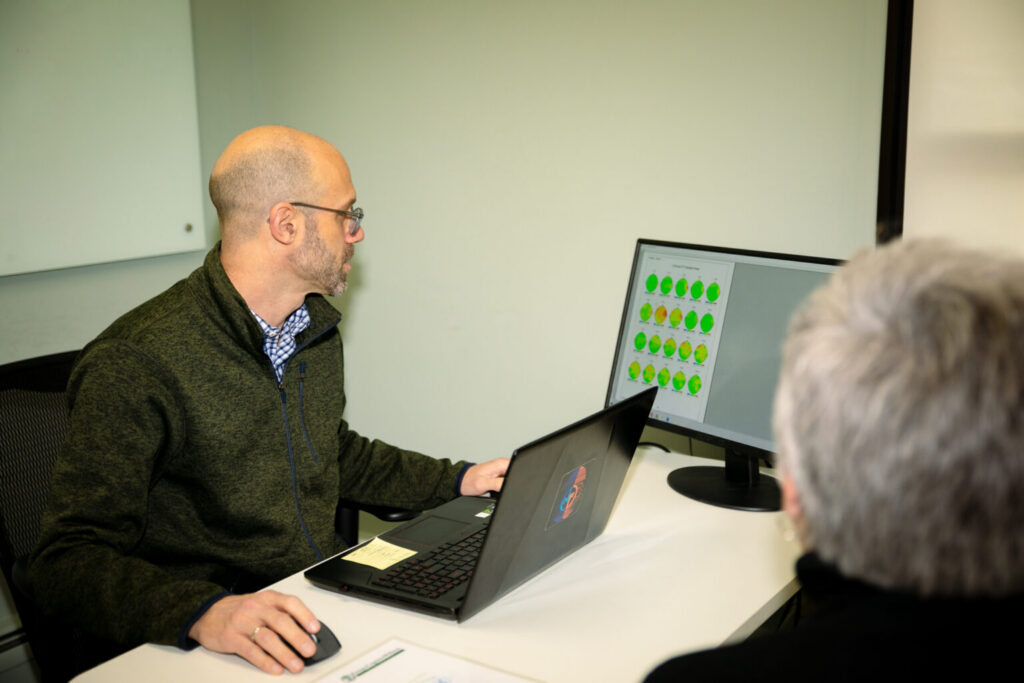
Personalized Medicine
Get to the root. Find real answers.
Explore Personalized MedicineOur personalized, comprehensive approach aims to identify the potential root causes of an individual's symptoms (the why) and create an implementable plan through medical, lifestyle, and cognitive interventions. Designed for those experiencing cognitive symptoms such as memory loss, forgetfulness, brain fog, have a family history, or if given a current diagnosis of mild cognitive impairment (MCI) or Dementia.
-

BrainFit®
The ultimate fitness club for your brain.
Explore BrainfitWhile our brains aren’t considered a muscle, this vital organ benefits from regular, intense workouts throughout life. BrainFit® incorporates the pillars of wellness and evidence-informed interventions that promote neurogenesis, or the ability to grow new brain cells and enhance cognition.
-
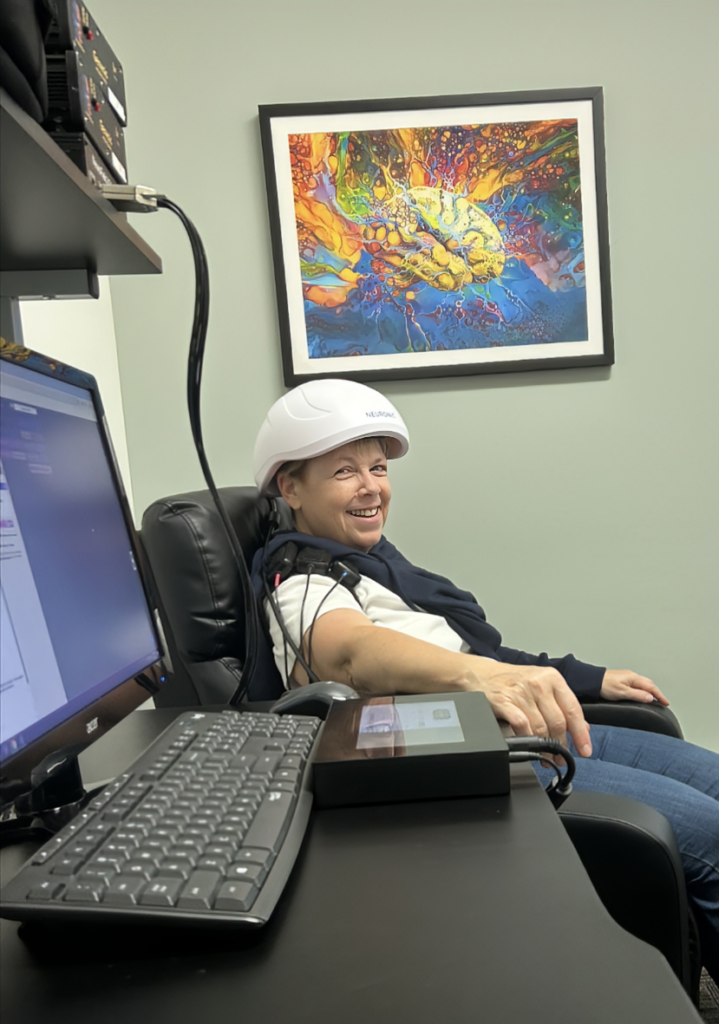
Neuromodulation Therapy
Non-invasive, drugless interventions.
Explore Neuromodulation TherapyOutcomes aimed to improve cognitive function (memory, attention, speech, language, and mood), to increase blood flow and oxygenation, and to reduce chronic pain & inflammation.
Learn More
Understand the science behind your care.
Straightforward education to help you understand your brain health and make informed decisions about your care.
-
Publications
Read the research and published work that shapes our approach to brain health.
-
Webinars
Watch recorded educational sessions, including Brain Bites, on brain health and cognitive care.
-
Blog
Practical articles on brain health, memory and supporting the people you love.
-
Podcast
Listen to Evolving Past Alzheimer’s, conversations with experts about brain health and cognitive care.

Meet the Doctor
Dr. Nate Bergman, D.O.
Chief Scientific Wellness Officer & Medical Director
- Board Certified, Internal Medicine
- Brain Health & Neurodegenerative Disease
After experiencing severe memory loss himself while in medical school, Dr. Bergman began looking beyond conventional approaches to understand what was driving cognitive decline. Today, he applies Functional Medicine to identify and address potential root causes, informed by his work with leaders in brain health including Mark Hyman, Dale Bredesen, and other pioneers in the field.
“I believe in looking deeper, asking better questions, and treating the whole person — because your brain health matters at every stage of life.”
Our Story
Family-owned. Personal by design.
Kemper Cognitive Wellness was founded by the Kemper family to bring compassionate, personalized brain health care to our community. We combine medical expertise with genuine relationships — because better cognitive health leads to brighter tomorrows for patients and the people who love them.
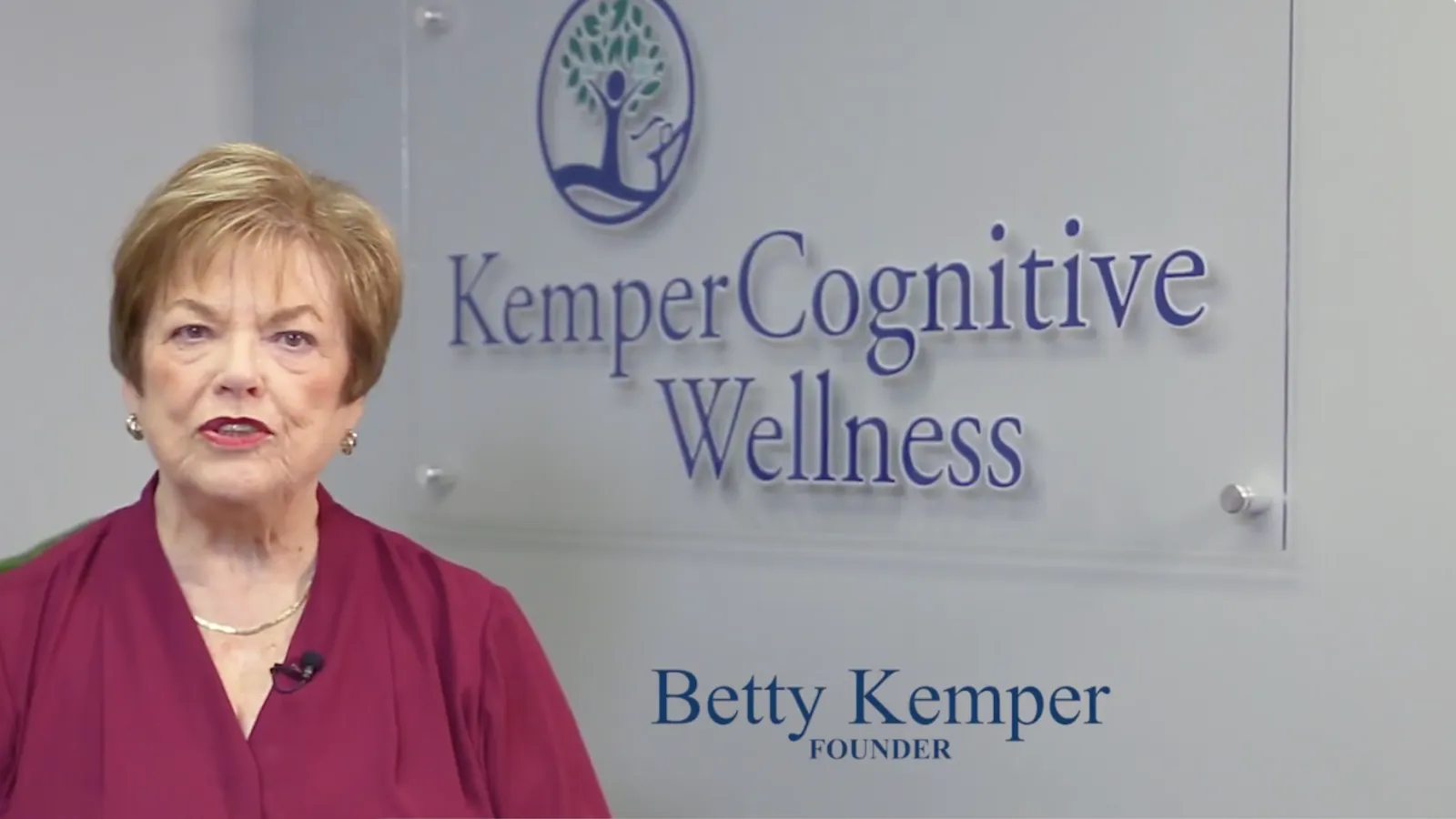
“Because for us, it’s personal.”
-
Family-owned
Rooted in Rocky River, Ohio
-
Physician-led
Led by Dr. Nate Bergman and a dedicated care team
-
Long-term support
One relationship, from your first conversation forward


Frequently Asked Questions
Answers for your next step.
Straight answers to the questions we hear most from new patients and their families.
Still have a question?
Our care coordinators are glad to walk you through programs, pricing and next steps.
216-337-1400What’s the difference between Kemper Cognitive Wellness and a traditional medical practice?
Unlike traditional practices that limit the time doctors can spend with patients, Kemper Cognitive Wellness offers a personalized and comprehensive approach to care- with our team spending as much as five times more time with each patient compared to standard practices. Our team pulls together information from multiple sources and specialists, giving Dr. Bergman insight across your health network. These insights allow for actionable planning and meaningful results. Our ultimate goal is to improve the quality of life - helping individuals remain in their homes, stay connected to their family & communities, preserve personal assets, and embrace a healthy, independent, and active lifestyle.
Is Dr. Nate Bergman a Neurologist?
No. Dr. Nate Bergman, D.O., specializes in Functional Medicine, Brain Health, and Geriatrics. At Kemper Wellness we collaborate with your current family physician and specialists to meet your needs.
What credentials or certifications do your team members have?
Our team has credentials including Board Certified Health Coach, Registered Dietitian, Certified Brain Health Trainer, Speech Language Pathologist, Licensed Social Worker, Certified Dementia Practitioner, Certified Personal Trainer, and more.
What stages of Alzheimer’s/Dementia do you treat?
Kemper Cognitive Wellness supports individuals and caregivers at all stages of Alzheimer’s/Dementia. Treatments are available for individuals with SCI - subjective cognitive impairment (self-reported, persistent memory worsening), MCI - mild cognitive impairment (early stage of memory loss), mild to moderate stage dementia, as well as support for those with severe decline or late stage dementia.
What conditions or diseases do you treat?
Kemper Cognitive Wellness focuses on Brain related conditions such as Alzheimer's disease, Mild Cognitive Impairment, Parkinson's disease, Lewy Body dementia, Vascular dementia, Brain fog, Sundowning, Post-concussion syndrome, and other neuro-degenerative brain disorders. Additionally, we can treat other chronic health conditions such as SIBO, leaky gut, IBS, Chron's, Hormone imbalances, Post-COVID, Long-COVID, Toxin exposure, Infections and many other conditions. Please call 216-337-1400 or fill out this form to discuss your story and see how we can help you!
How much will this cost? Can I afford it?
Our personalized programs vary by need but are available to meet almost any budget. Assessments can start for as little as $10 per day. Please call 216-337-1400 or fill out this form for programs and pricing.
Does Kemper Wellness accept insurance?
We do not accept or bill your insurance, and do not participate as an in-network provider for health plans. Kemper Wellness is a fee-for-service medical practice. We accept payment by credit card or check at the time of service and payment plans are available. You may also use pre-tax dollars from a Health Savings Account (HSA) or Flexible Spending Account (FSA) to pay for your consultations and services. Because we work outside the insurance reimbursement system, we are able to partner with you in designing an effective plan that supports your health and wellness goals. Additionally, Dr. Bergman is able to spend much more time with you than a traditional doctor visit. Read more here: https://kemperwellness.com/do-we-take-insurance/
How does Personalized Medicine help brain health and memory?
Research findings now show that memory loss is not necessarily a genetic disease. While genetics may play a role, lifestyle, environment, toxins, infections and other elements may have a profound impact on brain health. Our services will help uncover the root causes of your condition and support you every step of the way towards a better quality of life.
Is Kemper Wellness a Functional Medicine practice?
Kemper Cognitive Wellness is a personalized medicine clinic, using both the principles of Functional Medicine and Western Medicine. We address underlying drivers of disease using a systems-oriented approach to treat the whole system – not just the symptoms.
Reach out
Call us or send a message — whichever is easier for you.
Your complimentary session
Talk with our care team about your concerns, health history and goals.
Your personalized path
If Kemper is right for you, we’ll map your next steps through our five stages of care.
